Embarking on a low-histamine diet can feel daunting, yet it’s a powerful strategy for managing symptoms linked to histamine intolerance, offering relief and improved well-being.
This guide provides essential information for navigating this dietary approach, helping you understand histamine’s role and how to effectively reduce your intake for optimal health.
Many individuals with conditions like ME/CFS find symptom flares are triggered by high histamine levels in foods, making a low-histamine plan incredibly beneficial.
What is Histamine Intolerance?
Histamine intolerance arises when the body’s capacity to break down histamine effectively is overwhelmed, leading to a buildup and subsequent adverse reactions. Histamine, a naturally occurring chemical, plays vital roles in immune response, digestion, and neurological function.
Typically, enzymes like diamine oxidase (DAO) neutralize ingested histamine, but deficiencies or imbalances can hinder this process. This results in systemic symptoms, often mimicking allergies, but without the typical IgE antibody response.
Symptoms can manifest diversely, including headaches, skin rashes, digestive issues like bloating and diarrhea, nasal congestion, and even neurological problems. It’s frequently misdiagnosed due to its varied presentation.
Understanding histamine intolerance is crucial for implementing a low-histamine diet, which aims to reduce the histamine load and alleviate associated symptoms, improving overall quality of life.
A systematic trial of a low-histamine diet can help determine if it is helping.
Why Follow a Low Histamine Diet?
Following a low-histamine diet is paramount for individuals experiencing symptoms of histamine intolerance, offering a proactive approach to symptom management and improved well-being. Many people, particularly those with ME/CFS, find that high histamine foods exacerbate their condition, triggering debilitating flares.
By reducing histamine intake, the body’s burden is lessened, potentially alleviating headaches, skin reactions, digestive distress, and neurological symptoms. This dietary strategy isn’t about eliminating histamine entirely, but rather minimizing the load to a tolerable level.
A low-histamine diet can help identify if histamine is a significant contributor to your symptoms, providing clarity and empowering you to make informed dietary choices.
It’s a crucial step towards regaining control over your health and enhancing your overall quality of life, offering a path towards symptom relief and improved functionality.
This guide will provide you with the tools and information you need.
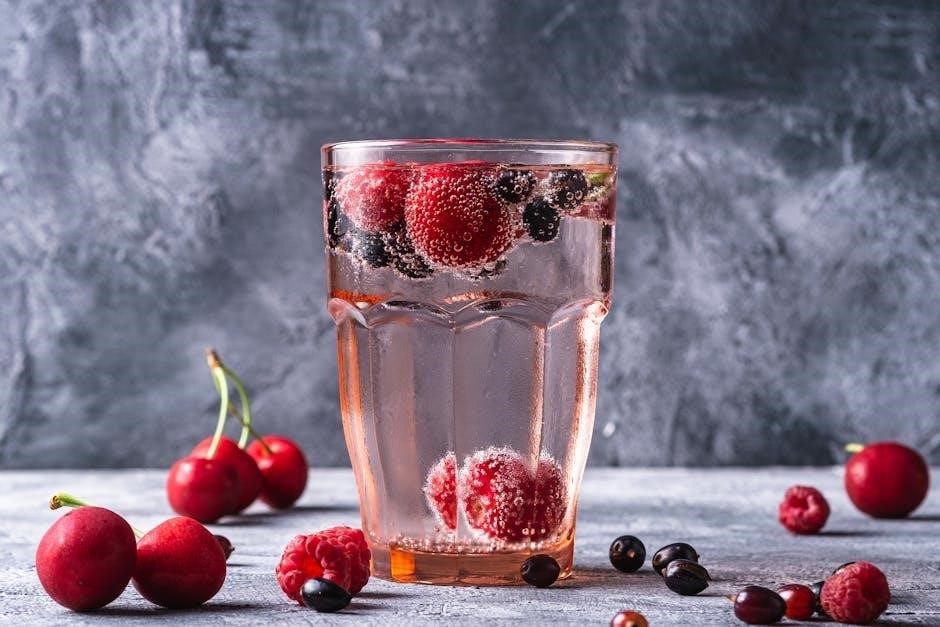
Understanding Histamine & Food Sources
Histamine is a natural compound present in various foods, but its levels fluctuate based on freshness and processing methods, impacting individual tolerance levels.
Histamine Formation in Foods
Histamine isn’t solely ingested; it’s also formed within foods themselves through various biochemical processes, particularly as proteins break down, and bacterial activity increases.
Foods that are aged, fermented, or improperly stored are especially prone to histamine build-up, as these conditions encourage microbial growth and protein degradation.
Even seemingly “fresh” foods can contain significant histamine if they’ve been stored at room temperature for extended periods, highlighting the importance of proper refrigeration and timely consumption.
Certain fish, like tuna and mackerel, naturally contain higher levels of histamine due to their protein content and storage practices, while others, like chicken, are generally lower.
Understanding these formation processes is crucial for making informed dietary choices and minimizing histamine intake, ultimately supporting better management of intolerance symptoms.
High Histamine Foods to Avoid
Navigating a low-histamine diet requires diligent avoidance of foods naturally high in histamine or those that readily promote its formation during processing and storage.
Fermented foods like sauerkraut, yogurt, and kombucha are significant sources, as the fermentation process dramatically increases histamine levels; aged cheeses, such as cheddar and parmesan, fall into the same category.
Processed meats, including bacon, sausage, and deli meats, often contain high histamine due to curing and preservation methods, while smoked fish also presents a considerable risk.
Certain vegetables, like spinach, eggplant, and tomatoes, are naturally higher in histamine, and alcoholic beverages, particularly red wine and beer, can trigger histamine release in the body.
Strictly limiting or eliminating these foods is essential for reducing histamine load and alleviating associated symptoms, paving the way for improved well-being.

The Core Principles of a Low Histamine Diet Plan
Success with a low-histamine diet hinges on prioritizing freshness, careful food preparation, and understanding how storage impacts histamine levels in your meals.
Freshness is Key: Minimizing Histamine Build-Up
Histamine levels in food increase over time, making freshness the cornerstone of a successful low-histamine diet. Ideally, consume foods immediately after purchase, or freeze them promptly to halt histamine formation. Leftovers should be refrigerated and eaten within 24 hours, though freezing is always preferable for longer storage.
Avoid pre-cut or pre-prepared foods, as the cutting process accelerates histamine release. When purchasing meat and fish, opt for freshly caught or sourced options, and freeze any portion not used immediately. Proper storage is crucial; airtight containers are best to minimize exposure to bacteria that contribute to histamine build-up.
Remember, a systematic trial will help you determine if the diet is helping, and freshness is a key component of that process. Prioritize consuming foods at their peak freshness to minimize your histamine load and manage symptoms effectively.
Food Preparation Methods & Histamine Levels
Certain cooking methods can influence histamine levels in food. Generally, quick cooking techniques like steaming, poaching, or stir-frying are preferred over slow cooking or fermentation, which can encourage histamine formation. Avoid marinating foods for extended periods, as this also increases histamine content.
Freshly cooked meals are always best, and reheating leftovers should be done only once, minimizing prolonged exposure to heat; When preparing meats, ensure they are thoroughly cooked, but avoid overcooking, which can also contribute to histamine release.
Consider the impact of each preparation step; even seemingly minor choices can affect your histamine intake. A systematic trial will help you determine what works best for you, and understanding these nuances is vital for successful dietary management.
Foods Allowed on a Low Histamine Diet
Focusing on fresh, whole foods is key; many fruits, vegetables, and lean proteins are naturally low in histamine, supporting a balanced and symptom-free diet.
Fruits: Low Histamine Options
Selecting fruits carefully is crucial on a low-histamine diet, as some varieties accumulate higher levels than others. Generally, freshly picked or immediately frozen fruits are the safest choices, minimizing histamine formation during storage.
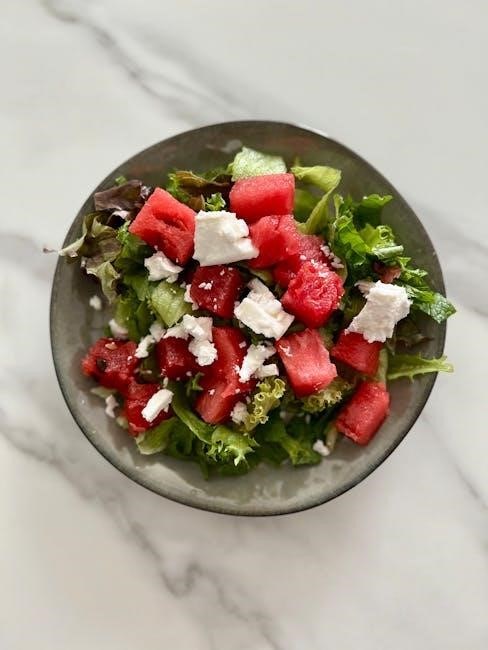
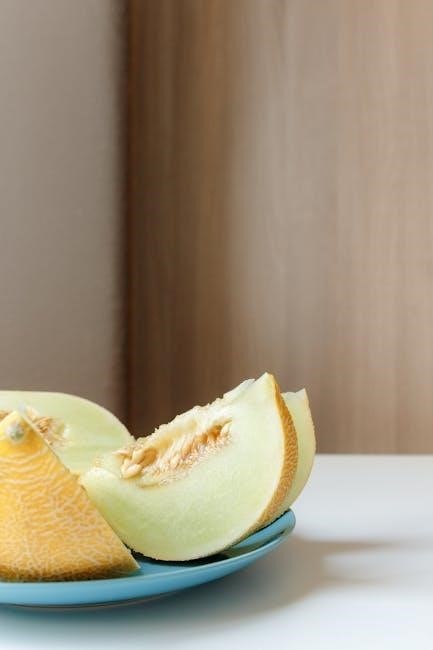
Excellent options include apples (especially green), pears, melons (honeydew, cantaloupe, watermelon – but consume promptly), and peaches. Berries, while nutritious, can be more problematic for some individuals; blueberries and cranberries are often better tolerated in small quantities than strawberries or raspberries.
Citrus fruits, like oranges and grapefruit, are typically avoided due to their histamine-releasing properties. Remember that ripeness also plays a role – less ripe fruits generally contain less histamine. Prioritize consuming fruits as soon as possible after preparation to maintain the lowest possible histamine levels.
Vegetables: Safe Choices
Fortunately, a wide array of vegetables can be enjoyed on a low-histamine diet, providing essential nutrients and fiber. Prioritize fresh, locally sourced produce whenever possible, as histamine levels increase with storage time and distance traveled.
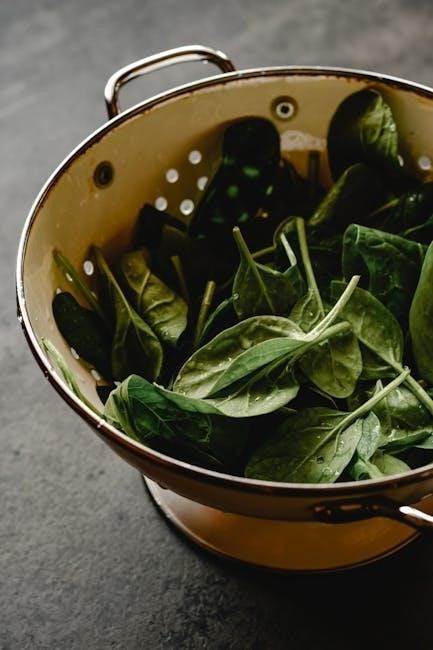
Safe choices include leafy greens like lettuce and spinach, cruciferous vegetables such as broccoli and cauliflower (consumed promptly after cooking), carrots, and zucchini. Asparagus, cabbage, and fennel are also generally well-tolerated. However, be mindful of nightshades like tomatoes, eggplant, and peppers, as they can be problematic for some.
Root vegetables like sweet potatoes and parsnips are good options. Avoid pickled or fermented vegetables, as the fermentation process significantly increases histamine content. As with fruits, immediate consumption after preparation is key.
Proteins: Lean Meats & Alternatives
Selecting appropriate protein sources is crucial on a low-histamine diet, as meat and fish can contribute significantly to histamine intake. Freshly caught fish, immediately frozen, is preferable to aged or previously frozen options. Lean meats like chicken and turkey are generally better tolerated than red meat, but should be consumed very fresh.
Avoid processed meats like bacon, sausage, and deli meats entirely, as they are high in histamine due to curing and fermentation. Plant-based protein sources, such as quinoa and lentils (well-rinsed), can be excellent alternatives. Tofu, if tolerated, is another viable option.
Ensure all proteins are cooked thoroughly and consumed immediately to minimize histamine build-up. Prioritize freshness above all else when choosing your protein sources.
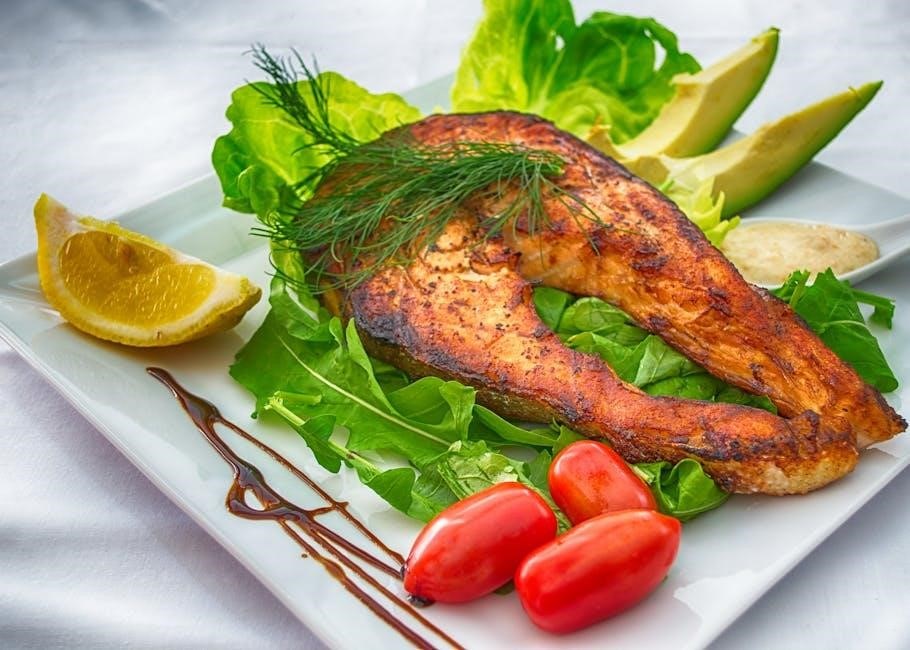
Grains & Starches: Suitable Selections
Choosing the right grains and starches is essential for a successful low-histamine diet, as some can exacerbate symptoms. White rice is generally well-tolerated and serves as a safe base for many meals. Quinoa, when thoroughly rinsed before cooking, is another good option, providing valuable nutrients.
Avoid wheat and other gluten-containing grains initially, as they can sometimes contribute to inflammation and histamine release. Potatoes, both white and sweet, are typically safe choices, but should be consumed fresh. Buckwheat is also often tolerated well.
Focus on freshly prepared options and avoid pre-packaged or processed grain products, which may contain hidden histamine-promoting ingredients.
Foods to Limit or Avoid on a Low Histamine Diet
Certain foods significantly elevate histamine levels, triggering adverse reactions; therefore, fermented items, aged cheeses, and processed meats should be limited or completely avoided.
Fermented Foods & Histamine
Fermented foods, while often lauded for their probiotic benefits, are generally high in histamine and should be approached with caution, or avoided altogether, on a low-histamine diet. The fermentation process itself naturally increases histamine concentrations, making these foods potential triggers for those with intolerance.
Common culprits include sauerkraut, kimchi, yogurt, kefir, kombucha, miso, and traditionally made pickles. Even small portions can cause significant symptom flares in sensitive individuals. It’s crucial to remember that even if a fermented food is freshly made, histamine levels can still be substantial.
Carefully read ingredient lists, as many commercially available fermented products may contain added ingredients that further contribute to histamine build-up. Prioritizing fresh, unprocessed foods is key to minimizing histamine intake and managing symptoms effectively.
Aged Cheeses & Processed Meats
Aged cheeses and processed meats are significant sources of histamine and are generally best avoided on a strict low-histamine diet. The aging process allows histamine to accumulate naturally within the cheese, with harder, more mature varieties containing the highest levels. Think Parmesan, cheddar, and blue cheese – these are particularly problematic.
Processed meats, such as salami, bacon, sausages, and deli meats, also pose a challenge. They often undergo fermentation or curing processes, increasing histamine content, and frequently contain preservatives and additives that can exacerbate intolerance symptoms.
Freshly cooked, unprocessed meats are preferable, consumed immediately after cooking to minimize histamine formation. Careful label reading is essential, as hidden ingredients can contribute to histamine load.
Alcohol & Histamine Release
Alcohol consumption significantly impacts histamine levels in the body, making it a key consideration on a low-histamine diet. Unlike simply containing histamine, alcohol actively triggers the release of histamine from your own cells, amplifying symptoms even if you haven’t consumed high-histamine foods.
Red wine is particularly problematic due to its higher histamine content and the presence of sulfites, which can further exacerbate reactions. Beer, especially aged or dark varieties, also contributes to increased histamine levels. Even clear spirits can provoke a response due to their impact on histamine release.
Complete avoidance is often recommended during the elimination phase of a low-histamine diet. If reintroduced, it should be done cautiously, observing for any adverse reactions.
Sample Low Histamine Meal Plan (PDF Focus)
A detailed PDF meal plan offers structured guidance, providing breakfast, lunch, and dinner ideas, alongside suitable snack options, for successful histamine management.
Breakfast Ideas
Starting your day with a low-histamine breakfast sets a positive tone, minimizing potential symptom triggers. Consider options like freshly cooked quinoa porridge with pear and a drizzle of maple syrup – ensuring the quinoa is prepared immediately before consumption for optimal freshness.
Another excellent choice is a smoothie crafted from allowed fruits such as blueberries and mango, blended with coconut water and a small amount of hemp seeds for added protein. Avoid yogurt or kefir, as these are fermented and typically high in histamine.
Scrambled eggs (if tolerated – some individuals are sensitive) with steamed asparagus and a side of white rice provide a savory and nourishing start. Remember, freshness is paramount; consume eggs promptly after cooking. A PDF guide will detail precise ingredient lists and preparation methods.
Prioritize simple, whole-food breakfasts, avoiding processed ingredients and leftovers to maintain the lowest possible histamine levels.
Lunch & Dinner Suggestions
For low-histamine lunches and dinners, focus on freshly prepared meals utilizing allowed proteins, vegetables, and grains. A grilled chicken breast (freshly cooked, not leftover) with steamed broccoli and white rice constitutes a simple, safe option. Ensure the chicken is seasoned only with permitted herbs and spices.
Alternatively, consider a salad featuring mixed greens, cucumber, and a small portion of freshly caught fish, dressed with olive oil and lemon juice. Avoid vinegar-based dressings, as they can be problematic. A PDF guide will offer detailed recipes and ingredient substitutions.
Lean turkey meatballs made with rice flour and served with zucchini noodles provide a comforting and histamine-friendly dinner. Remember to avoid tomato-based sauces and aged cheeses. Prioritize immediate consumption of cooked foods to minimize histamine build-up.
Simplicity and freshness are key to successful low-histamine meal planning.
Snack Options
Navigating a low-histamine diet requires mindful snacking to avoid symptom flares. Safe choices include freshly peeled and sliced cucumber, or a small portion of blueberries – ensuring they are not stored for extended periods. A PDF resource will detail appropriate portion sizes.
Rice cakes (plain, unsalted) paired with a thin layer of freshly made pear puree offer a satisfying and easily digestible snack. Avoid pre-packaged snacks, as they often contain hidden histamine-releasing ingredients or preservatives.
Small amounts of cooked quinoa can also serve as a light snack, providing sustained energy. Remember to consume snacks soon after preparation to minimize histamine formation. A handful of pumpkin seeds is another viable option.
Prioritize fresh, whole foods and always check ingredient lists carefully.
Potential Challenges & How to Overcome Them
Successfully implementing a low-histamine diet requires vigilance; a PDF guide can help navigate dining out and decipher hidden histamine sources in ingredients.
Dining Out on a Low Histamine Diet
Navigating restaurant meals on a low-histamine diet presents unique challenges, but careful planning and communication can make it manageable; a detailed PDF guide is invaluable.
Prioritize restaurants known for fresh, simply prepared foods, avoiding those specializing in fermented or aged items. Always inquire about ingredients and preparation methods, specifically asking about marinades, sauces, and preservatives.
Explain your dietary needs clearly to the server, emphasizing the importance of avoiding high-histamine foods. Opt for grilled, baked, or steamed dishes over fried or processed options. Simple protein sources with plain steamed vegetables are often the safest bet.
Don’t hesitate to request modifications to menu items, such as omitting sauces or substituting ingredients. Bringing a printed list of allowed and disallowed foods from your PDF guide can be incredibly helpful for clear communication.
Be prepared to potentially limit your choices or even choose to eat before or after dining with others to ensure adherence to your dietary restrictions.
Hidden Histamine in Ingredients
Successfully implementing a low-histamine diet requires vigilance beyond simply avoiding obvious high-histamine foods; a comprehensive PDF guide is essential for identifying sneaky sources.
Many processed foods contain hidden histamine-promoting ingredients like artificial colors, flavors, and preservatives. Vinegar, even in small amounts, can be a significant trigger for some individuals. Be cautious of seemingly innocuous items like bouillon cubes or pre-made spice blends.
Read ingredient labels meticulously, looking for potential problem components. Citric acid, while seemingly harmless, can sometimes contribute to histamine release. Pay close attention to sauces, dressings, and marinades, as these often contain hidden triggers.
Your PDF guide should include a detailed list of ingredients to avoid, as well as acceptable alternatives. When in doubt, choose whole, unprocessed foods whenever possible to minimize exposure to hidden histamine.
Understanding these hidden sources is crucial for long-term success and symptom management.