Hotpoint Range Manual: A Comprehensive Guide
This manual details Hotpoint range operation‚ safety‚ features‚ and maintenance. It guides users through setup‚ cooking‚ cleaning‚ and troubleshooting for optimal performance.
Hotpoint ranges are designed for reliable performance and convenient cooking. This section introduces the core principles of operation and highlights key features found across various Hotpoint models. Understanding your range’s capabilities ensures safe and efficient use. Hotpoint prioritizes user-friendly design‚ incorporating intuitive controls and versatile cooking modes.
From basic baking to advanced broiling and self-cleaning cycles‚ Hotpoint ranges cater to diverse culinary needs. The distribution channels for these appliances ensure accessibility to consumers through retail stores and online platforms. Proper maintenance‚ as detailed in this manual‚ extends the lifespan of your range and maintains optimal functionality. Familiarize yourself with the safety precautions to prevent potential hazards and enjoy years of dependable service from your Hotpoint appliance.
Understanding Your Range Model
Each Hotpoint range model possesses unique features and specifications. Identifying your specific model number – typically found on a label located within the oven or on the back of the appliance – is crucial for accessing tailored support and documentation. This manual provides general guidance‚ but referencing model-specific information ensures accurate operation.
Familiarize yourself with the layout of your cooktop and oven controls. Understanding the function of each burner‚ element‚ and oven mode maximizes cooking versatility. Distribution channels deliver a range of models‚ each designed to meet different consumer needs. Knowing the capacity of your oven and the power levels of your burners allows for precise cooking and efficient energy usage. Consult the detailed diagrams within this manual for a visual representation of your range’s components.
Safety Precautions
Prioritize safety when operating your Hotpoint range. Always supervise cooking‚ especially when children are present. Never leave the range unattended while in use‚ as it can pose burn or fire hazards. Ensure proper ventilation during operation to prevent the buildup of combustion byproducts. Distribution channels ensure safe product delivery‚ but responsible use is paramount.
Be cautious of hot surfaces. Burners‚ oven racks‚ and the oven interior reach high temperatures during and after cooking. Use oven mitts or pot holders when handling hot cookware. Regularly inspect the range for any signs of damage‚ and discontinue use if issues are detected. A functioning range relies on a safe distribution channel and careful user operation.
General Safety Guidelines
Always read this manual before operating your Hotpoint range. Keep it readily available for future reference. Never modify or alter the range’s construction. Use only cookware suitable for the cooktop and oven‚ ensuring proper fit and stability; Distribution channels deliver a safe product‚ but correct usage is vital.
Avoid wearing loose-fitting clothing while cooking‚ as it could ignite. Keep flammable materials away from the range‚ including curtains‚ paper towels‚ and aerosols. Never use the oven for storage. Regularly check for gas leaks if applicable‚ and immediately address any concerns. A reliable distribution network and adherence to safety guidelines are crucial.
Carbon Monoxide Poisoning Prevention
Carbon monoxide (CO) is a colorless‚ odorless gas that can be deadly. Ensure proper ventilation when using your Hotpoint range‚ especially gas models. A malfunctioning burner can produce CO‚ highlighting the importance of a functioning distribution channel for quality control.
Install a CO detector near the range and on each level of your home. Regularly test the detector’s functionality. If the detector alarms‚ immediately evacuate the premises and call emergency services. Never ignore a CO alarm. Symptoms of CO poisoning include headache‚ dizziness‚ nausea‚ and confusion. Proper maintenance‚ facilitated by efficient distribution‚ minimizes risk;

Range Features and Components
Hotpoint ranges boast diverse features‚ including advanced control panels‚ versatile oven modes‚ and efficient cooktops‚ all working together for seamless cooking experiences.
Control Panel Overview
The Hotpoint range control panel is the central hub for all cooking operations. It typically features a digital display and various knobs or touch controls. Understanding these components is crucial for effective range usage. The digital display provides information such as cooking time‚ temperature settings‚ and cycle status. Knob functions often include selecting burner power levels or oven modes.
Modern Hotpoint ranges may also incorporate specialized settings like delay start‚ timed cooking‚ or Sabbath mode. Familiarizing yourself with the specific layout and functions of your model’s control panel will unlock its full potential. Refer to the detailed diagrams within this manual for a visual guide to each control’s location and purpose‚ ensuring a user-friendly cooking experience.
Digital Display Functions
The Hotpoint range’s digital display offers a wealth of information at a glance. It prominently shows the current oven temperature and cook time remaining during baking or roasting cycles. Users can easily monitor progress without opening the oven door‚ preserving heat. The display also indicates selected burner power levels and active oven modes‚ such as bake‚ broil‚ or convection.
Furthermore‚ the digital display often features clock settings‚ timer functions‚ and error codes to assist with troubleshooting. Some models include customizable display brightness and audible alerts for cycle completion. Detailed instructions on navigating the display’s menus and interpreting its various indicators are provided within this manual‚ ensuring optimal control and convenience.
Knob Functions and Settings
Hotpoint range knobs provide intuitive control over cooktop burners and oven functions. Cooktop knobs typically offer precise heat adjustment‚ ranging from low simmer to high power settings. Rotating the knob clockwise increases the heat output‚ while counterclockwise decreases it. Oven control knobs select baking‚ broiling‚ or cleaning modes.
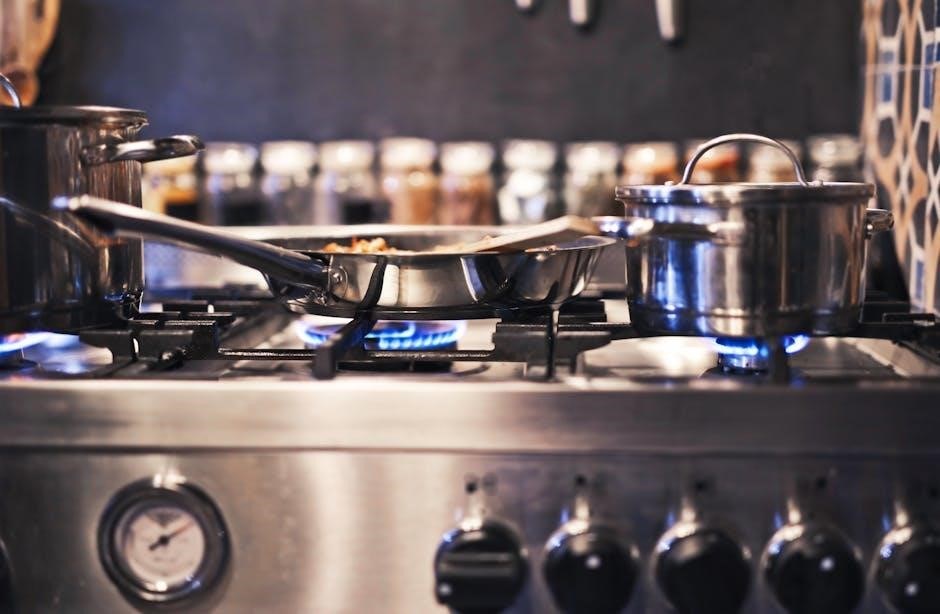
Many models feature a dedicated temperature control knob for precise oven temperature selection. Understanding the specific markings and detents on each knob is crucial for achieving desired cooking results. Refer to the detailed diagrams within this manual for a comprehensive overview of knob functions and recommended settings for various recipes. Proper knob usage ensures safe and efficient operation.
Oven Features
Hotpoint ranges boast a variety of oven features designed for versatile cooking. These include standard baking for everyday meals‚ powerful broiling for searing and browning‚ and convection baking for even heat distribution. Some models offer specialized modes like pizza or roast settings‚ optimizing temperature and cooking time.
The oven interior often features a self-cleaning cycle‚ simplifying maintenance. Digital displays provide precise temperature control and timer functions. Interior oven lights illuminate the cooking process. Understanding these features allows users to maximize the range’s capabilities and achieve professional-quality results. Refer to the specific model’s features list for detailed information.
Baking and Broiling Modes
Hotpoint ranges typically offer distinct baking and broiling modes for varied cooking needs. Standard bake utilizes heat from the bottom element‚ ideal for cakes‚ cookies‚ and casseroles. Convection bake‚ when available‚ circulates hot air for faster‚ more even cooking. Broiling employs intense radiant heat from the top element‚ perfect for searing meats and browning gratins.
Proper usage involves preheating the oven and selecting the appropriate rack position. For baking‚ center rack is generally recommended. Broiling requires careful monitoring to prevent burning. Consult the range’s manual for specific temperature settings and recommended cooking times for different foods.
Self-Cleaning Cycle Operation
Hotpoint ranges with self-cleaning functionality utilize high temperatures to burn off food residue within the oven. Before initiating the cycle‚ remove all racks‚ cookware‚ and loose debris. Ensure the oven door can lock securely – a crucial safety feature. Select the desired cleaning cycle length; options typically range from light to heavy soil levels.
During operation‚ the oven will heat to extremely high temperatures‚ producing odors. Adequate ventilation is essential. Avoid opening the door until the cycle completes and the oven cools. Once finished‚ wipe away any remaining ash with a damp cloth. Always consult your specific model’s manual for detailed instructions and safety precautions.
Cooktop Features
Hotpoint ranges offer diverse cooktop features designed for versatile cooking. These typically include various burner types – gas‚ electric coil‚ or smooth top – each with unique heating characteristics. Gas burners provide instant heat and visual flame control‚ while electric elements offer consistent‚ even heating. Smooth top cooktops are easy to clean and provide a sleek aesthetic.
Element control allows precise temperature adjustments‚ ranging from low simmer to high heat. Some models feature power levels or preset cooking modes for specific tasks. Always use cookware compatible with your cooktop type to ensure optimal performance and prevent damage. Proper usage and care will maximize the lifespan of your Hotpoint range’s cooktop.
Burner Types and Usage
Hotpoint ranges commonly feature gas‚ coil‚ or smooth top burners‚ each requiring specific usage techniques. Gas burners offer responsive heat control; ensure proper flame color – a blue flame indicates efficient combustion. Electric coil burners heat gradually and retain heat well; avoid moving cookware while hot. Smooth top burners utilize radiant heat‚ requiring flat-bottomed cookware for optimal contact.
Always match pot size to burner size for efficient heating. Never leave a burner unattended while in use. For gas ranges‚ ensure adequate ventilation; Clean burners regularly to prevent clogging and maintain performance. Refer to your model’s specific instructions for detailed guidance on burner operation and safety.
Element Control and Power Levels
Hotpoint electric ranges utilize element control knobs or digital interfaces to adjust cooking power. These controls typically range from low to high settings‚ influencing the heating rate of the cooktop surface. Lower power levels are ideal for simmering and delicate sauces‚ while higher levels are suited for boiling and searing.
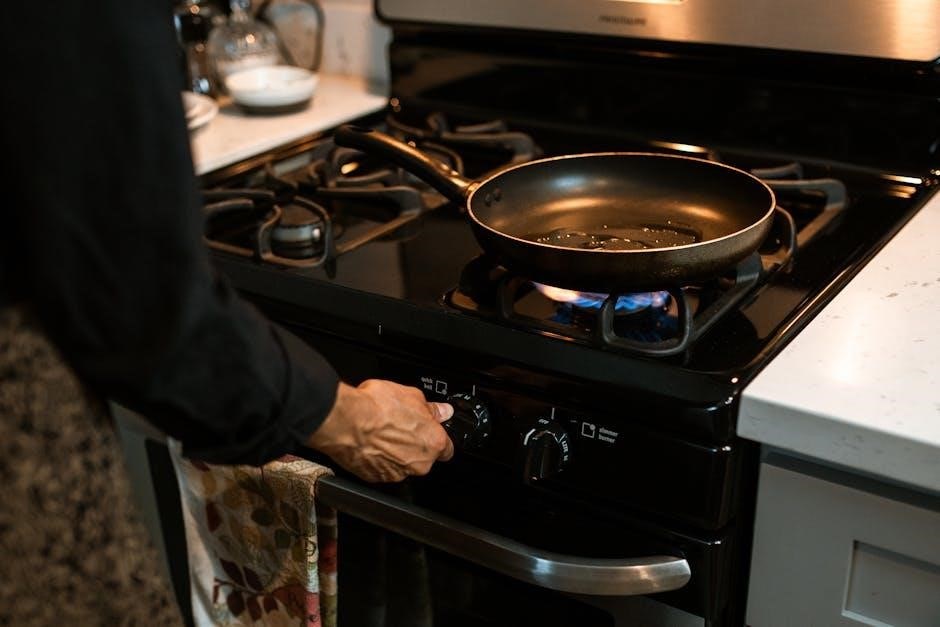
Understanding power levels ensures efficient cooking and prevents food from burning. Some models feature “power boost” functions for rapid heating. Always start with a lower setting and adjust as needed. Refer to your range’s manual for specific power level recommendations for various cooking tasks. Proper element control maximizes energy efficiency and cooking results.
Using Your Hotpoint Range
This section provides instructions for setup‚ cooking modes‚ self-cleaning‚ and troubleshooting; It ensures safe and effective operation of your Hotpoint range.
Initial Setup and Calibration
Before first use‚ carefully inspect your Hotpoint range for any shipping damage. Ensure the range is properly leveled using the adjustable feet to guarantee even cooking and prevent noise. Connect the range to the correct power supply – typically a standard 120V outlet‚ but verify your model’s specifications.
Calibration may be necessary for accurate oven temperatures. To calibrate‚ compare the oven’s indicated temperature with an independent oven thermometer. Adjust the temperature offset in the control panel settings if a discrepancy exists. Refer to the ‘Control Panel Overview’ section for detailed instructions on accessing and modifying these settings. Proper calibration ensures consistent baking and roasting results. Finally‚ perform a brief burn-off cycle to eliminate any manufacturing residue.
Cooking Modes and Temperature Settings
Your Hotpoint range offers diverse cooking modes for various recipes. Baking mode provides consistent heat for cakes and cookies‚ while broiling utilizes intense top heat for searing and browning. Convection baking‚ if equipped‚ circulates hot air for faster‚ more even cooking. Select the appropriate mode using the control panel knobs or digital display.
Temperature settings range from a low warm setting to high heat for broiling. Always preheat the oven to the desired temperature before placing food inside. Use the temperature guide in your recipe or adjust based on your preference. Monitor cooking progress and adjust temperature as needed. Refer to the ‘Oven Features’ section for specific mode recommendations and temperature guidelines.
Self-Cleaning Cycle Instructions
The self-cleaning cycle utilizes high temperatures to burn off food residue within the oven. Before initiating‚ remove all racks‚ cookware‚ and any loose debris. Ensure the oven door can lock securely. Select the ‘Self-Clean’ cycle on the control panel and choose the desired cleaning duration – typically light‚ medium‚ or heavy soil levels.
The door will automatically lock during the cycle and remain locked until the oven cools. Avoid opening the door manually. A burning smell is normal during operation. Once complete‚ allow the oven to cool completely before unlocking and wiping away any remaining ash. Refer to the ‘Safety Precautions’ section for important warnings regarding ventilation and potential fumes.
Troubleshooting Common Issues
If the oven fails to heat‚ verify the power supply and ensure the control panel is properly set. Check the bake or broil element for visible damage. A faulty igniter or heating element may require professional repair. For burner ignition problems‚ confirm the gas supply is active and the burner ports aren’t clogged. Clean the burner with a wire brush if necessary.
If issues persist‚ consult the full manual for detailed diagnostics. Do not attempt repairs yourself if you are uncomfortable or lack experience. Contact a qualified technician for assistance. Ignoring persistent problems can lead to further damage or safety hazards. Always disconnect power before inspecting internal components.
Oven Not Heating
If your Hotpoint oven isn’t heating‚ first confirm it’s receiving power. Check the circuit breaker or fuse box. Ensure the control panel is correctly set to a baking or broiling mode‚ and the temperature is appropriately programmed. Inspect the bake and broil elements for any visible breaks or damage; a glowing element indicates functionality.
A faulty igniter (gas ovens) or a defective heating element (electric ovens) are common causes. If these components appear damaged‚ professional repair is recommended. Do not attempt self-repair if unfamiliar with electrical or gas systems. A malfunctioning oven temperature sensor can also prevent heating.
Burner Not Igniting
If a Hotpoint burner fails to ignite‚ verify the gas supply is active. Check if other gas appliances are working. Ensure the burner ports are clean and free of debris; clogged ports obstruct gas flow. Inspect the igniter – it should click repeatedly when the knob is turned to the ‘light’ position. A weak or absent clicking sound suggests a faulty igniter.
A malfunctioning spark module can also prevent ignition. If the igniter clicks but the burner doesn’t light‚ the gas valve may be defective. Do not attempt to repair gas valves yourself; contact a qualified technician. Ensure the burner cap is correctly seated on the burner base for proper ignition.
Maintenance and Care
Regular cleaning and upkeep are vital for your Hotpoint range. This section details procedures for cooktop‚ oven‚ bulb replacement‚ and long-term care.
Cleaning Procedures
Maintaining a clean Hotpoint range ensures optimal performance and longevity. Regular cleaning prevents buildup and potential hazards. Always disconnect power before deep cleaning. For daily spills on the cooktop‚ a damp cloth and mild detergent are usually sufficient. Avoid abrasive cleaners that can scratch the surface. For tougher‚ baked-on messes‚ a cooktop cleaning cream specifically designed for your range type is recommended.
The oven interior requires periodic cleaning. After self-cleaning‚ wipe away any residue. For manual cleaning‚ remove racks and use a non-abrasive cleaner. Avoid harsh chemicals. Pay attention to the door and seals‚ ensuring they are clean and intact. Proper cleaning extends the life of your appliance and maintains its efficiency.
Cooktop Cleaning
Regular cooktop cleaning is crucial for maintaining performance and appearance. Begin by ensuring the cooktop is cool to the touch. For everyday spills‚ a damp cloth with mild dish soap is often effective. Avoid abrasive cleaners‚ scouring pads‚ or steel wool‚ as these can damage the surface. For baked-on food‚ apply a cooktop cleaning cream specifically formulated for your range’s surface type – glass‚ ceramic‚ or stainless steel.
Let the cleaner sit for the recommended time before gently scrubbing with a non-abrasive sponge. Rinse thoroughly and dry with a clean cloth. For stubborn residue‚ a plastic scraper can be used carefully. Always refer to your range’s manual for specific cleaning recommendations and warnings.
Oven Interior Cleaning
Maintaining a clean oven interior ensures efficient cooking and prevents unpleasant odors. For light cleaning‚ wipe down the interior with a damp cloth and mild dish soap after each use‚ avoiding the heating elements. Hotpoint ranges often feature a self-cleaning cycle‚ which utilizes high temperatures to burn off food residue – always follow the manual’s instructions carefully before initiating this cycle.
Remove oven racks and accessories before self-cleaning. For manual cleaning‚ use a non-abrasive oven cleaner‚ ensuring adequate ventilation. Avoid harsh chemicals and always rinse thoroughly with water after cleaning. Regularly inspect and clean the oven door gasket to maintain a proper seal.
Replacing Oven Bulbs
A burnt-out oven bulb hinders visibility during cooking. Before replacing‚ always disconnect the range’s power supply at the breaker to prevent electrical shock. Locate the oven bulb access panel‚ typically at the rear of the oven interior. Remove the panel cover‚ often secured with screws.
Carefully unscrew the old bulb – it may be hot‚ even if the range is off. Replace it with a bulb of the correct wattage‚ as specified in your Hotpoint range manual. Reinstall the panel cover and restore power. If the new bulb doesn’t illuminate‚ double-check the bulb’s seating and the power connection.
Long-Term Maintenance Tips
Prolong your Hotpoint range’s lifespan with consistent care. Regularly clean spills on the cooktop immediately to prevent stubborn residue buildup. For the oven‚ perform the self-cleaning cycle periodically‚ following the manual’s instructions carefully. Inspect burner ports for clogs and clear them as needed for even flame distribution.
Periodically check the oven door seal for damage and replace if necessary to maintain consistent temperatures. Avoid abrasive cleaners on stainless steel surfaces; use designated stainless steel polish. Schedule professional inspections every few years to identify and address potential issues before they escalate‚ ensuring continued safe and efficient operation.

Warranty Information
Hotpoint range warranties cover defects in materials and workmanship. Coverage details‚ claim procedures‚ and duration vary by model; see your documentation.
Coverage Details
Hotpoint range warranties typically offer limited coverage for a specific period. This generally includes defects in materials and workmanship under normal household use. The length of coverage can differ significantly based on the specific range model and the component affected. For example‚ the stainless steel interior might have a longer warranty period than electronic controls.
Typically‚ the warranty covers parts and labor for repairs during the warranty period. However‚ it often excludes issues arising from improper installation‚ misuse‚ abuse‚ accidents‚ or alterations. Cosmetic damage is also usually not covered. Extended warranties are often available for purchase‚ providing additional protection beyond the standard coverage. Carefully review your warranty documentation to understand the specific terms‚ conditions‚ and exclusions that apply to your Hotpoint range.
How to File a Claim
To initiate a warranty claim for your Hotpoint range‚ first gather your proof of purchase‚ including the date and place of purchase‚ along with the model and serial number of the appliance. Contact Hotpoint’s customer service department via phone or their website to report the issue and obtain a claim number.
You may be required to provide detailed information about the defect‚ and potentially photos or videos demonstrating the problem. A qualified technician may need to inspect the range to verify the issue is covered under warranty. Hotpoint will then authorize repairs or replacement‚ depending on the nature of the defect and warranty terms. Keep all documentation related to your claim for your records.